
Designing Menus for Every Moment of a Private Jet Flight
From pre-departure dining to light mid-flight meals, inflight menus are carefully structured to match the rhythm of the journey.
In private aviation, dining is not simply about serving a meal. It is about creating a rhythm that complements the journey itself.
Unlike traditional restaurant service, where the entire experience unfolds within a fixed setting, private jet catering must adapt to different phases of a flight. Passenger comfort, travel duration, and time of day all influence how a menu is structured.
Designing inflight menus therefore requires anticipation - understanding what passengers may want not only at departure, but throughout the entire journey.
Pre-departure dining
For many passengers, the first culinary moment begins before the aircraft leaves the ground. Pre-departure dining typically favors refined yet approachable dishes that can be enjoyed comfortably while passengers settle into the cabin.
Light starters, elegant salads, or composed plates work particularly well at this stage. Options such as a Salmon Tataki with sesame and mango vinaigrette, a King Crab Salad, or a delicate Vitello Tonnato offer freshness and sophistication without feeling heavy before departure.
These dishes set the tone for the journey ahead.

Mid-flight dining
As the flight progresses, menus often shift toward slightly more substantial dishes while maintaining balance and digestibility.
Depending on the route and passenger preferences, mid-flight service may include refined main courses such as Beef Filet, Rack of Lamb, or seafood preparations like Turbot filet or Scallops. Carefully composed pasta or risotto dishes can also work beautifully during this phase, offering comfort while maintaining elegance.
The goal is to provide satisfying cuisine without overwhelming the passenger during the journey.
Light inflight options
Not every moment of a flight calls for a full meal. Many passengers prefer lighter options between services.
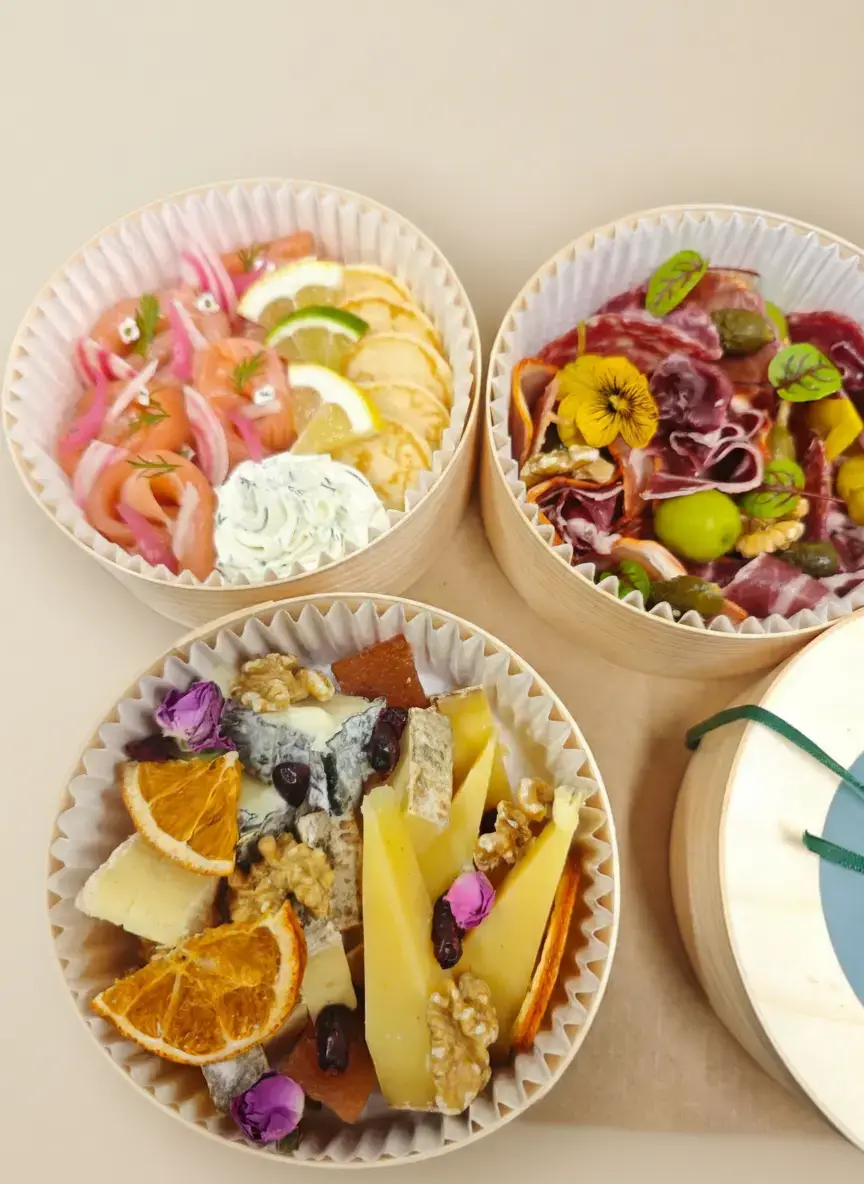
Small plates, canapés, or gourmet sandwiches are often ideal. Selections such as smoked salmon blinis, gourmet finger sandwiches, or a superfood salad with quinoa, mango, and avocado provide refreshing alternatives that maintain the refined standards expected in private aviation.
These options allow passengers to dine flexibly throughout the flight.
Pre-arrival refresh
Toward the end of a journey, meals typically become lighter and more refreshing. Passengers preparing for arrival often prefer dishes that feel energizing rather than indulgent.
Fresh fruit, yogurt, or elegant breakfast options such as Bircher muesli, fresh berries, or truffle and fried eggs toast can provide a gentle culinary transition before landing.
This final service helps passengers arrive feeling refreshed and ready for the next stage of their day.

The importance of thoughtful menu architecture
Structuring a menu around the natural rhythm of a flight requires both culinary expertise and operational understanding.
At Ukko, chefs design inflight menus with careful attention to timing, passenger comfort, and the practical realities of onboard service. Each dish is selected not only for its flavor and presentation, but also for how it fits within the broader dining experience of the journey.
Operating in the Paris region, Ukko combines fine dining craftsmanship with aviation logistics to ensure that every culinary moment - from the first bite before departure to the final refresh before landing - feels seamless and refined.
In private aviation, great catering is not simply about individual dishes. It is about designing an experience that evolves naturally throughout the flight.
For inquiries or collaborations, contact us
📞 +33 (0) 785 72 01 43


Comments